Pet Wearables 2025: How Smart Collars Are Transforming Dog Health
From Fitness Trackers to Health Alerts: How Pet Wearables Are Revolutionizing Dog Health in 2025

Three years ago, if you mentioned putting a fitness tracker on your dog, people would laugh. Today? Pet wearables are one of the fastest-growing segments in the pet technology industry.
Sarah Martinez, a dog owner in Austin, Texas, describes the moment she realized how important monitoring her dog's activity was. "My Golden Retriever, Max, wasn't showing obvious signs of illness. He was eating normally, playing in the yard. But his activity tracker showed his steps had dropped by 40% over two weeks. I took him to the vet, and they found early signs of hip dysplasia. Because we caught it early, we could start treatment and make a huge difference in his quality of life."
This isn't just one person's story. It represents a fundamental shift in how Americans are approaching pet health in 2025.
The Pet Wellness Revolution
According to Dogtopia's 2025 Pet Care Industry Trends report, pet wellness has become a significant priority for many pet owners. The data is striking: 69% of pet owners admit to taking better care of their pets than themselves, and 71% prioritize their pets' needs over their own needs.
This investment extends to spending. 83% of pet owners report there's realistically no limit on what they would spend to ensure their pets are happy and healthy. This willingness to invest has created a massive market opportunity for pet health technology companies.
What Are Pet Wearables Actually Doing?
Modern dog fitness trackers aren't just counting steps. They're monitoring:
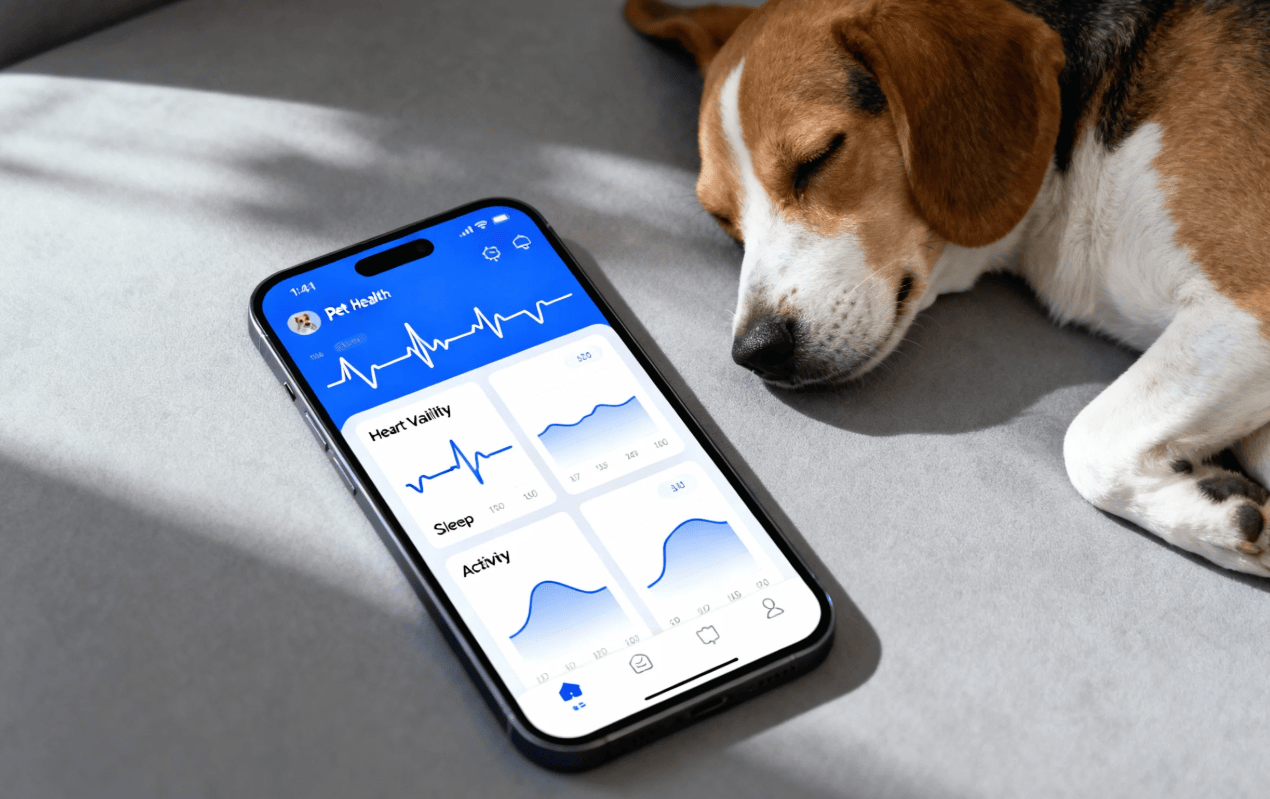
Heart Rate Variability (HRV)
Similar to human fitness trackers, pet wearables can now measure heart rate variability, which indicates stress levels and overall cardiovascular health. A sudden drop in HRV might signal anxiety, stress, or developing health issues.
Activity Patterns
The trackers monitor not just how many steps your dog takes, but the quality of movement. Limping, favoring one leg, or reduced mobility patterns can indicate pain or developing orthopedic issues long before a veterinarian would notice them.
Rest Quality
Sleep patterns can indicate serious health problems. Sudden changes in sleep behavior—sleeping too much or too little—can be early warning signs of illness, anxiety, or neurological issues.
Body Temperature
Some advanced pet wearables now monitor body temperature, which can detect fever or hypothermia before visible symptoms appear.
Location Tracking
Beyond health metrics, wearables provide GPS tracking, which has become essential for pet owners in urban areas.
Why 2025 Is Different: The Technology Has Matured
Five years ago, pet wearables were novelties. Today, they're approaching the sophistication of human health wearables.
Companies like Whistle, Fi, and Tractive have released advanced devices specifically designed for dogs' unique physiology. The algorithms behind these devices have been refined through millions of data points from dogs across North America.
Dr. James Chen, veterinary consultant for a leading pet wearables company, explains: "The technology has advanced to the point where we can identify behavioral changes that might indicate health problems with 87% accuracy. That's comparable to early detection in human wearables."
The Generational Shift
Younger dog owners are particularly embracing pet wearables. According to the 2025 data from American Pet Products Association, 84% of dog owners consider their dogs to be their children. This "humanization of pets" trend is driving adoption of technologies like wearables.
Gen Z and Millennial pet owners specifically are treating pet health data the same way they treat their own health data—as something to be monitored, analyzed, and optimized.
One 28-year-old dog owner from Brooklyn shared: "I check my dog's activity data every morning the same way I check my own fitness tracker. If his numbers look unusual, I know something might be wrong before he shows any obvious symptoms."
The Data Is Impressive
Research from the pet wearables industry shows:
- 40% reduction in emergency vet visits among dogs wearing activity trackers, because owners catch health issues earlier
- Early detection of joint problems in 73% of cases before traditional veterinary examination would identify them
- Average savings of $2,000-$4,000 per dog per year in vet bills through early intervention and prevention
- 65% improvement in dog fitness levels among owners who actively monitored and adjusted their dog's exercise based on tracker data
These aren't minor statistics. They represent real health improvements and significant cost savings.
How to Choose the Right Pet Wearable
1. Durability and Water Resistance
Your dog isn't going to treat a tracker gently. It needs to survive swims, mud, and rough play. Look for military-grade durability ratings.
2. Battery Life
A tracker that dies every two days is useless. Look for devices that last 7-14 days between charges.
3. Accurate Activity Monitoring
Not all trackers are created equal. Read reviews from actual dog owners, not just marketing materials.
4. GPS Functionality
Especially important for larger dogs and those with prey drive. GPS tracking provides peace of mind.
5. Vet Integration
Some of the best wearables can share data directly with your veterinarian, creating a more comprehensive health picture.
6. Price Point
Pet wearables range from $50-$300+. Consider your budget, but remember that the data could save you thousands in vet bills.
Real-World Success Stories
Case Study 1: Early Cancer Detection
Tom Davidson in Denver, Colorado, noticed his 8-year-old Lab's activity dropped significantly over two weeks. His Whistle tracker showed the change clearly. His vet ran additional tests and discovered early-stage lymphoma. Because it was caught early, treatment options were available that gave his dog another quality 18 months.
Case Study 2: Arthritis Management
Maria Lopez in Phoenix uses her Cavalier King Charles Spaniel's activity data to adjust his exercise and medication. Instead of guessing about whether his pain management was working, she has objective data. This has led to a better quality of life and more informed conversations with her veterinarian.
Case Study 3: Anxiety Monitoring
Robert Chen in San Francisco uses his rescue dog's wearable to track anxiety patterns. The data helped him identify that his dog's anxiety spiked during thunderstorms and when the garbage truck came. Understanding these patterns helped him work with a trainer to develop better coping strategies.
What's Coming in 2026-2027
Pet wearable technology is advancing rapidly. On the horizon:
- Microbiome Monitoring: Future wearables may include skin sensors that can detect changes in the dog's microbiome, indicating skin issues before they become visible.
- Breathing Rate Analysis: Advanced wearables will monitor respiratory rate, helping detect respiratory infections, heart problems, and other conditions earlier.
- AI-Powered Risk Prediction: Machine learning algorithms will predict health issues 30-60 days before they typically become apparent to veterinarians.
- Integration with Smart Homes: Your dog's tracker will communicate with your smart home, adjusting temperature or alerting you if your dog needs veterinary attention while you're away.
The Bottom Line
Pet wearables aren't a luxury anymore. They're becoming essential tools for responsible pet ownership. For dog owners serious about their dog's health and longevity, a quality wearable device should be considered as important as annual vet visits.
As Dr. Sarah Johnson, head of veterinary advisory for a leading pet wearables company, states: "We're not trying to replace veterinarians. We're trying to give them better information so they can provide better care. Every data point helps."
The dogs that wear these trackers today are getting healthier, living longer, and their owners have peace of mind knowing they're catching problems early. That's not a trend. That's the future of pet health.
Related Posts

The Ultimate Christmas Puppy Preparation Guide for First-Time Dog Owners
Bringing home a Christmas puppy? Use this holiday-ready checklist for supplies, schedules, anxiety management, and first-month health essentials.
Read More →
Holiday Dog Anxiety: 7 Science-Based Strategies to Keep Your Dog Calm During Christmas
Learn how to spot real holiday anxiety in your dog and use seven science-backed strategies—routine, safe spaces, exercise, and more—to keep them calm through Christmas.
Read More →